Bristol type 2: sausage-shaped but lumpy
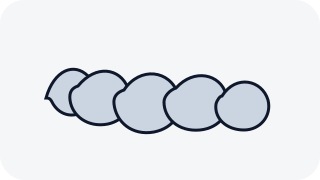
Short answer: type 2 is lumpy, sausage-shaped poop, and it usually means mild constipation. It’s one step softer than type 1 and one step harder than type 3. Most people can shift it with small daily changes. Here’s how to tell it apart, what to try, and when to get checked. (Part of the Bristol stool chart.)
What does Bristol type 2 look like?
The NHS England chart says “sausage-shaped but lumpy”. Think of a sausage made of pebbles pressed together. It’s often wide and firm, and you may need to push.
How is type 2 different from types 1 and 3?
| Type | NHS England wording | What it usually suggests |
|---|---|---|
| Type 1 | Separate hard lumps, like nuts (hard to pass) | Slowest transit, constipation |
| Type 2 | Sausage-shaped but lumpy | Slow transit, constipation |
| Type 3 | Like a sausage but with cracks on the surface | Healthy range |
| Type 4 | Like a sausage or snake, smooth and soft | Healthy range |
The NHS England carer chart says that if a poo doesn’t look like type 3 or 4, it could be constipation. The scale works because shape tracks how long poop spent in your gut: the 1997 Lewis and Heaton study found stool form matched measured transit time better than how often people went.
Why is my poop lumpy?
As poop moves slowly through your large intestine, more water is absorbed, and small hard pieces clump together. The NHS lists the usual reasons:
- not enough fiber or fluids
- sitting for long periods or moving less
- ignoring the urge to go
- a change in routine or diet, including travel
- medicine side effects
- stress, anxiety or depression
What you might notice, what it can mean, when to get checked
| What you might notice | What it can mean | When to get checked |
|---|---|---|
| Type 2 after a weekend away or a low-veg week | Routine or diet change | Usually fine; try the plan below |
| Type 2 most days, going fewer than 3 times a week | Constipation (NHS, NIDDK) | See a GP if it’s not improving with treatment |
| Sharp pain and bright red blood after a hard poop | Possibly an anal fissure (NHS) | See a GP |
| Type 2 with bloating that keeps coming back | Constipation or another cause | See a GP if you’re regularly bloated |
| Type 2 alongside weight loss or tiredness | Needs checking | See a GP |
What should I try first?
Start with the gentlest changes and give them a week. From NHS and NIDDK advice:
- Drink more. Water and other fluids with each meal. The NHS also suggests avoiding alcohol.
- Add fiber slowly. The NHS recommends 30g a day for adults. Swap white bread for wholegrain, add oats or linseed, add a fruit. Our guide to soluble vs insoluble fiber explains the difference.
- Pick sorbitol fruits. Apples, apricots, grapes and raisins, raspberries and strawberries are named by the NHS.
- Move daily. A walk counts.
- Make time to go. Same time each day, unhurried, feet on a low stool so your knees are above your hips. More in how to sit on the toilet.
- Then a pharmacist. If a week or two of changes doesn’t help, ask about a short-term laxative.
What could a type 2 log look like?
Mon 09:00  Poop: Type 2
Mon 13:00  Meal: pasta with tomato sauce [tag: gluten]
Tue  No poop logged
Paper note: drank 2 coffees, little water
Wed 08:40  Poop: Type 2
Wed 08:50  Meal: oats with linseed and apple (new)
Thu 08:30  Poop: Type 2
Fri 08:15  Poop: Type 3
Sat 09:00  Poop: Type 3
Paper note: walked to work Thu and Fri
Notice the lag: the oats started Wednesday, and the change showed up Friday. Food can take a while to show in your poop, which is why a few days of logs tell you more than one. See how long after eating does food affect poop.
Type 2 myths vs facts
| Myth | Fact |
|---|---|
| Lumpy poop is just “how I am” | It often shifts with fluids, fiber and movement (NHS). Worth a two-week try. |
| Coffee counts against your fluids | The NHS advice is simply to drink plenty of fluids; it doesn’t single out coffee. Water is an easy default. |
| Straining harder gets it done | Straining is a sign of constipation. Posture and softer poop help more (NHS). |
| Blood after a hard poop is always piles | Piles and fissures are common causes, but the NHS says see a GP to check. |
How do I describe type 2 to a doctor?
Say the number. “Mostly type 2, about three times a week, for a month” tells a doctor far more than “a bit blocked”. Add what you’ve tried and for how long, your medicines and supplements, and any red flags. Our GP conversation guide has wording you can borrow.
Type 2: this week
- Fluids with every meal
- One fiber swap a day, added gradually
- A sorbitol fruit daily
- Daily walk
- Same toilet time each morning, no rushing
- Log every poop's type and any no-poop days
Where does PoopAI fit?
In PoopAI you log each poop as Bristol type 1 to 7, with an optional photo, and meals by photo or text. Trigger tags like dairy, gluten, FODMAPs and caffeine sit on your meals, and the weekly report and trend charts make the slide from 2 to 3 easy to see. It won’t diagnose you, and it doesn’t log pain or other symptoms.
The bottom line
Type 2 is the “nearly there” poop. Fluids, gradual fiber and a relaxed routine often move it to type 3 within days to weeks. If it doesn’t, or you see blood or lose weight without trying, see a GP.
Editorial note: Written by The FixMyGut team using the NHS, NIDDK and peer-reviewed sources listed below. It’s general information, not a diagnosis. Facts checked against those sources on November 5, 2026.
Sources
- Bristol stool chart (for carers) (NHS England)
- Stool form scale as a useful guide to intestinal transit time (Lewis & Heaton, 1997) (PubMed)
- Constipation (NHS)
- Symptoms & Causes of Constipation (NIDDK (NIH))
- How to get more fibre into your diet (NHS)
- Anal fissure (NHS)
Last reviewed 2026-11-04
FixMyGut is not affiliated with or endorsed by the NHS, NIH, NICE, Mayo Clinic or Monash University.
Related reads
Quick answers
What does type 2 poop mean?
It usually means poop has moved slowly and lost water, which is why it's lumpy and firm. It's commonly linked with constipation.
Is type 2 poop bad?
Not on its own. It's common after low-fiber days, travel or not drinking much. If it's your usual for weeks, or comes with straining, pain or blood, see a GP.
What's the difference between type 2 and type 3?
Type 2 is lumpy. Type 3 is a sausage with cracks on the surface. The NHS England chart treats types 3 and 4 as healthy poo, so moving from 2 to 3 is a good sign.
Why is my poop hard and lumpy but long?
That's the type 2 shape. Separate pieces have been pressed together in the bowel. Low fiber, low fluids, less movement and some medicines are common reasons, per the NHS.
What foods help with type 2 poop?
The NHS suggests fruits that contain sorbitol, such as apples, apricots, grapes, raspberries and strawberries, plus wheat bran, oats or linseed, with plenty of fluid.
Why does type 2 hurt to pass?
Firm, wide poop can be hard to pass and can lead to straining. The NHS links bright red blood and pain after constipation with a small tear called an anal fissure. See a GP if you see blood.
How long should I try changes before seeing a doctor?
The NHS says changes can help within a few days but sometimes take a few weeks. See a GP if constipation isn't getting better with treatment or keeps returning.

Download PoopAI
Free to try. Log your next poop and meal in under a minute, then let the weekly report do the pattern-spotting.